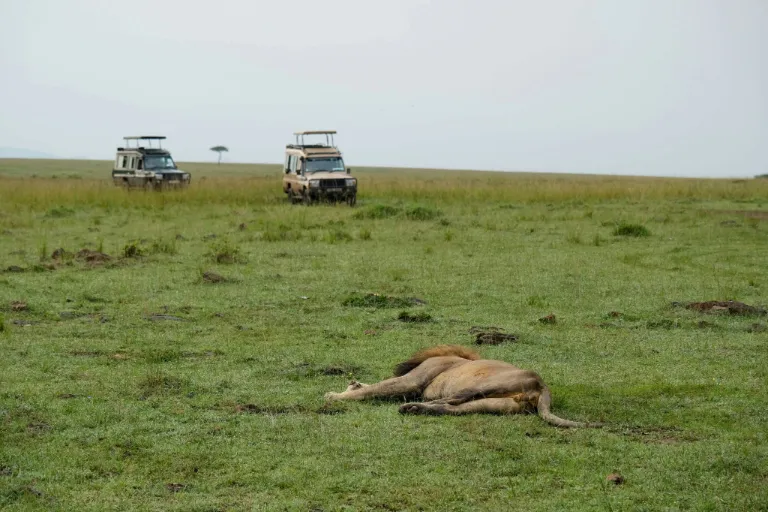
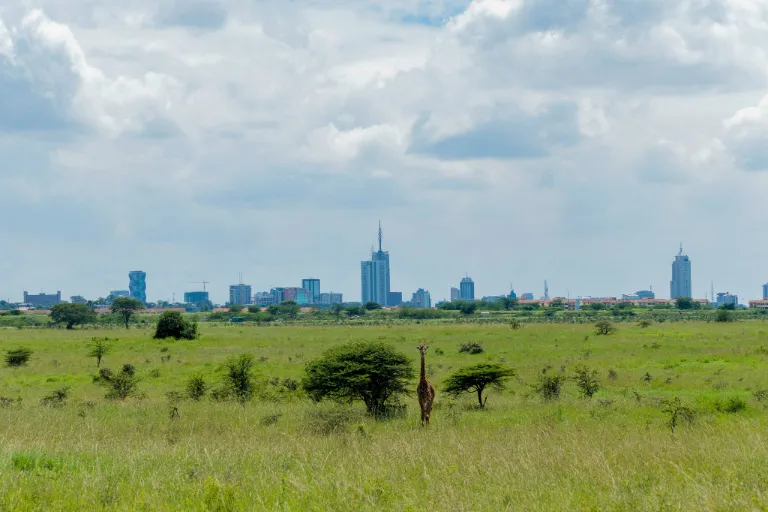
Green Season Safaris in Kenya is one of the most underrated wildlife experiences on the continent. When the rains arrive, the landscapes transform — lush vegetation blankets the plains, baby animals fill the savannah, predator activity peaks, and the parks fall gloriously quiet. Dramatic skies, lower prices, and far fewer vehicles on the road make this the season that seasoned safari travelers keep returning for.
At Award Tours and Safaris, we know that Kenya never disappoints — in any season. The rainy period simply delivers a more private, more photogenic, and more personal version of the wild. Whether you are a birdwatcher, wildlife photographer, or a traveler seeking genuine solitude, the green season gives you room to breathe in a way the dry season rarely can.
This guide explains exactly what to expect, which parks to visit, and how to plan a seamless wet-season Kenya safari.
What Is the Green Season in Kenya?
The Green Season Safaris in Kenya refers to two distinct rainy periods: the long rains (March to May) and the short rains (November to early December). Rain does not fall all day — showers are typically followed by warm sunshine, creating dramatic skies and freshly washed landscapes that photographers love.
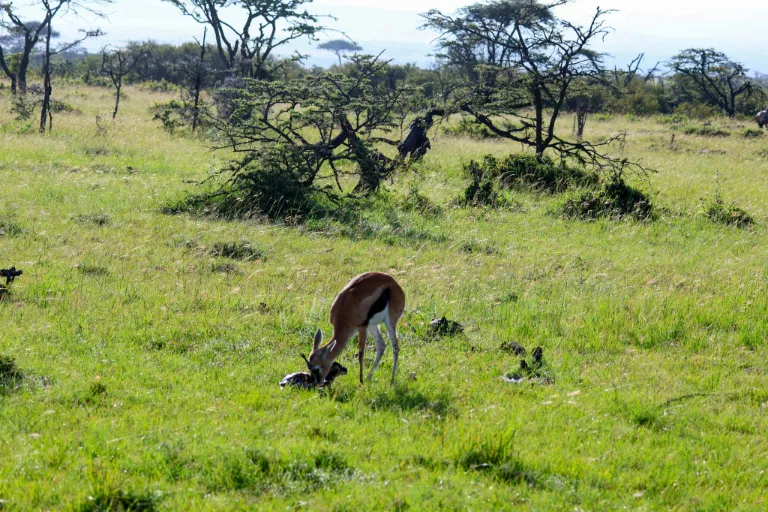
This period is also Kenya’s “baby season,” when animals mate more frequently and thousands of young are born across the plains — drawing predators into intense, highly visible activity.
What Are the Top Benefits of Visiting Kenya in the Green Season?
Green season safari costs are typically 30–50% lower than peak dry season rates. Most lodges and camps offer generous “stay longer, pay less” deals, making this the best time to access premium experiences at mid-range prices. Our 3 Days Masai Mara Budget Safari and 3 Days Masai Mara Wildebeest Migration Group Safari both offer excellent green season value.
Exclusive, Uncrowded Wildlife Viewing
Fewer international visitors means fewer game drive vehicles — and that means the wildlife encounters feel genuinely private. Late January through March is peak calving season, when wildebeest, zebra, and impala give birth in large numbers, pulling lions, cheetahs, and hyenas into sustained, highly active predator behavior.
World-Class Birdwatching
Migratory birds arrive from Europe and Asia during the green season, joining over 450 resident species. Expect African spoonbills, African fish eagles, Abdim’s storks, and a vast array of waterbirds drawn to swelling rivers and wetlands. Our 3 Days Flamingos Kenya Tour is especially rewarding during this period when bird populations are at their most diverse.
Outstanding Photography Conditions
The rains wash the dust from the air, giving photographers crystal-clear visibility, vivid green backdrops, and the kind of dramatic cloud formations that make every frame look extraordinary. Combined with fewer vehicles competing for position, this is arguably Kenya’s finest season for wildlife photography.
A Truly Relaxed, Slow-Paced Safari
Green Season Safaris in Kenya operate at their own rhythm — quiet mornings in the bush, unhurried game drives, and afternoons watching storms build on the horizon from your lodge. It is the antithesis of the crowded dry-season experience, and many travelers who try it never go back to peak season.
What Wildlife Can You See on a Kenya Green Season Safari?
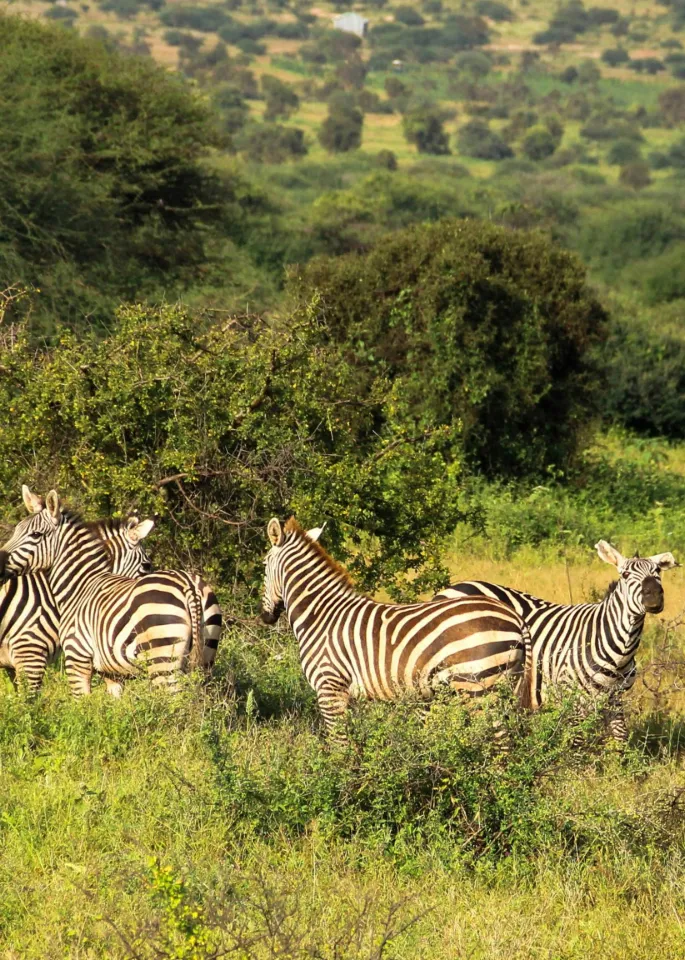
The Kenya green season safari experience involves some of the most dynamic wildlife activity of the entire year. Far from being a quiet period, the rains trigger a chain reaction across the ecosystem — fresh water draws herds, newborns attract predators, and migratory birds fill the skies.
What to expect:
Baby animals (calving season) — From January through March, thousands of zebra, wildebeest, and impala give birth daily. The concentration of vulnerable young makes predator sightings more frequent and more dramatic than almost any other time of year.
Migratory birds — Over 450 resident species are joined by migratory visitors from Europe and Asia, making it a birding paradise. African spoonbills, African fish eagles, and Abdim’s storks are highlights.
Active predators — Lions, cheetahs, and hyenas are in sustained hunting mode due to the abundance of young prey. Sightings are frequent and often prolonged.
Green season safari insights consistently point to this period as offering prime predator-prey drama, with the added visual reward of vivid green landscapes as the backdrop to every encounter.
Which Kenya Parks Are Best to Visit in the Green Season?
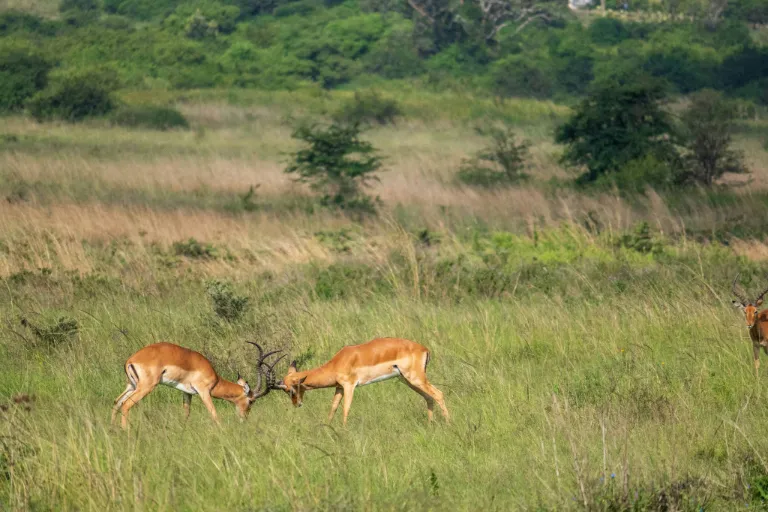
The green season in Kenya — typically from March to May and again in November — is often overlooked, yet it offers one of the most rewarding safari experiences. During this time, short rains transform the landscapes into vibrant ecosystems filled with fresh grass, blooming wildflowers, and dramatic skies. The parks are far less crowded than in peak months, allowing for more intimate wildlife encounters and a peaceful, immersive atmosphere.
This season is especially attractive for photographers and nature enthusiasts. The soft, diffused light and rich green backdrops enhance wildlife photography, while migratory birds arrive in large numbers, making it a paradise for birdwatchers. Additionally, many animals give birth during this period, so visitors can witness rare and heartwarming moments of newborn wildlife taking their first steps in the wild.
Another key advantage of traveling during the green season is value. Accommodation rates are generally lower, and availability is higher across many lodges and camps. This makes it an excellent time for travelers seeking luxury safari experiences at more accessible prices, without compromising on wildlife sightings or scenic beauty.
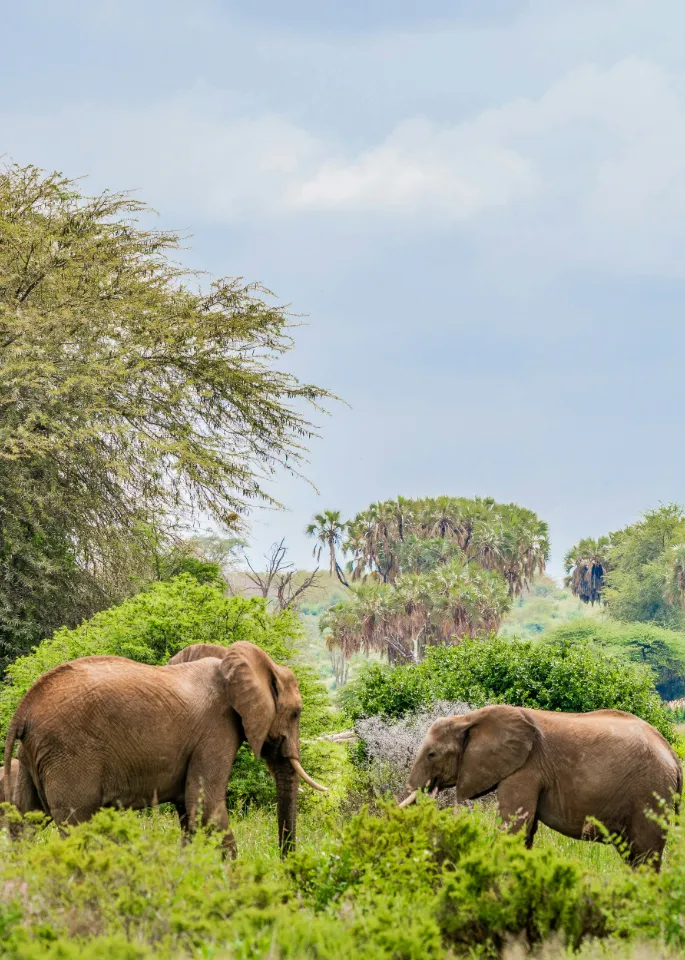
From the rolling plains of the Maasai Mara National Reserve to the elephant-rich landscapes of Amboseli National Park and the exclusive conservancies of Laikipia Plateau, Kenya’s top safari destinations reveal a different, more tranquil side during the green season — one that rewards those willing to embrace a little rain with unforgettable experiences.
How to Plan a Kenya Green Season Safari: Essential Travel Tips
A green season safari requires slightly more preparation than a dry-season trip — but with the right approach, the experience is seamlessly smooth and deeply rewarding. The moderate challenges (occasional impassable roads, afternoon rain, and slightly reduced visibility in dense vegetation) are easily managed with flexibility and good planning.
Essential travel tips for Kenya’s rainy season:
- Pack proper waterproof gear for yourself and your camera equipment.
- Use soft-sided bags that compress easily for bush plane transfers — essential if your itinerary includes our 4 Days Kenya Flying Safaris.
- Focus game drives in the morning when light is best and roads are drier.
- Build flexibility into your itinerary for weather changes — our tailor-made safari planning accommodates this by design.
- Ensure your safari vehicle is a 4×4 — all Award Tours and Safaris game drives use appropriate off-road vehicles.
- Take malaria precautions — consult your GP before travel and carry appropriate prophylaxis.
- Consult the Kenya Travel Guide for a full seasonal breakdown of conditions across each park.
Experienced travel experts agree: a green season safari is about smart choices, not weather tolerance. Prioritizing safety, flexibility, and proper preparation ensures that every day delivers, rain or shine.
Explore Kenya’s Hidden Safari Season with Award Tours and Safaris
Kenya’s green season reveals an authentic, untouched side of the wild — where nature feels alive in a way that no dry-season safari can quite replicate. Lush surroundings, abundant newborn wildlife, dramatic skies, intimate game viewing, and prices that make longer stays genuinely accessible: the rainy season is a gift for the open-minded traveler.
At Award Tours and Safaris, our expert guides are trained to spot predators in wet conditions, identify migratory bird species, and find the best photography light in dramatic weather. Every green season itinerary is tailored for safety, flexibility, and maximum wildlife reward.