Before booking a Kenya Safari, you’ll want to know four things: what the price actually covers, where you’re sleeping each night, who’s guiding you, and how you’re getting from place to place. Then look at the less exciting parts, like daily driving times, when payments are due, and what happens if you cancel. It sounds like a lot. It isn’t, really, and it’s the difference between a trip that fits you and one that just looked good online.
Get everything in writing before you hand over a deposit. A gorgeous lodge photo won’t tell you it’s a two-hour drive from the best game viewing. And a quote that seems like a bargain sometimes stays cheap by leaving things out. Ask first, and you’ll know what you’re paying for.
What Should Travellers Ask Before Booking a Kenya Safari?
Ask for the total cost and any extra charges. Find out the accommodation names, the guide’s experience, vehicle seating, and the daily route. Check whether the trip is private or shared, and go through the cancellation terms, payment schedule, and emergency support. Before you pay, request a written itinerary that shows which arrangements are confirmed and which are still pending.
Key Facts Before You Book
| What to Check | What You Need to Know |
| Safari price | The total cost, plus anything charged separately |
| Accommodation | Exact camp names, where they are, and room types |
| Daily route | Transfer times, overnight stops, and game drives |
| Guide and vehicle | Guide’s experience and language, seating, group size |
| Booking terms | Deposit, payment dates, changes, and refunds |
| Personal needs | Dietary needs, family requirements, accessibility |
| Travel support | Arrival instructions and emergency contacts |
What Does the Kenya Safari Price Include?
Begin with the obvious one: “What’s the full cost of this trip for our group?
You’d be surprised how often that gets a fuzzy answer. Some quotes are per person, others are for the whole party. Many assume two people sharing a room. Check which you’re looking at before you start comparing.
When you’re weighing up Kenya Safari Packages, look past the headline number and at what sits behind it.
| Question to Ask | Why It Matters |
| Are park fees and taxes included? | They can add up to a big chunk of the cost |
| Which meals and drinks are covered? | You might be paying for some meals or drinks yourself |
| Are airport transfers included? | Arrival and departure transfers are sometimes extra |
| Are domestic flights included? | A flight can appear in the itinerary without being in the price |
| Which activities cost extra? | Optional experiences often need booking separately |
| Is there a single supplement? | Travelling solo usually means paying more for the room |
| Can the confirmed price change? | Know the conditions before money leaves your account |
Don’t forget the small stuff, either. Tips, laundry, a lunch stop outside the lodge. If a balloon flight, guided walk or village visit is mentioned, ask straight out whether it’s included or just available.
The cheapest quote might still be the right one for you. You just can’t judge value until you see the whole picture.
Practical insight: Ask for two lists, one of inclusions and one of exclusions. Then compare quotes like for like; same dates, same group size, same accommodation level, same activities.
Questions to Ask Before Booking a Kenya Safari: Route and Accommodation
The Kenya Destination routes make or breaks a safari. Five parks in eight days sound brilliant on paper. In practice, it can mean a lot of hours staring at the road instead of at lions.
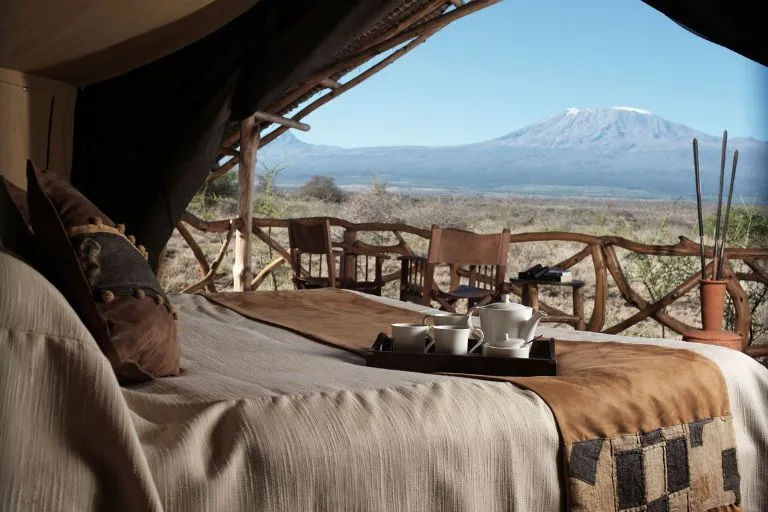
So ask how long you’ll actually be travelling between overnight stops. Kilometres on a map tell you nothing about road surfaces or how often you’ll need to stop.
Some useful questions to ask before booking a Kenya safari:
- Which parks and conservancies are we visiting?
- How many nights are there in each place?
- What are the expected driving times?
- Do those times allow for lunch and rest stops?
- How many game drives are planned?
- Which days are mostly travel days?
- Could we see fewer places and stay longer in each?
There’s no single right pace. Families with young kids usually need more breaks. Photographers tend to prefer settling into one or two spots and waiting for the light. Pick what suits the people in your vehicle. Next, get the actual names of your camps or lodges. Mid-Range Accommodation could mean almost anything, and it says nothing about the room, the facilities, or the location.
Ask whether each property sits inside the wildlife area or outside it, and roughly how long it takes to reach the main game drive routes from there. While you’re at it, confirm the room type, bathroom setup, meal plan and charging points. And ask whether those rooms are genuinely booked or still “subject to availability”.
Practical Insight: Request a day-by-day itinerary with lodge names and estimated transfer times. When your final confirmation arrives, check it against what you agreed. Line by line, if you can face it.
Who Will Guide Us, and What Vehicle Will We Use?
A good guide changes everything. They spot the leopard you’d have driven straight past, explain why the elephants are behaving the way they are, and fill in the story of each place. So ask about their training and how well they know your route.
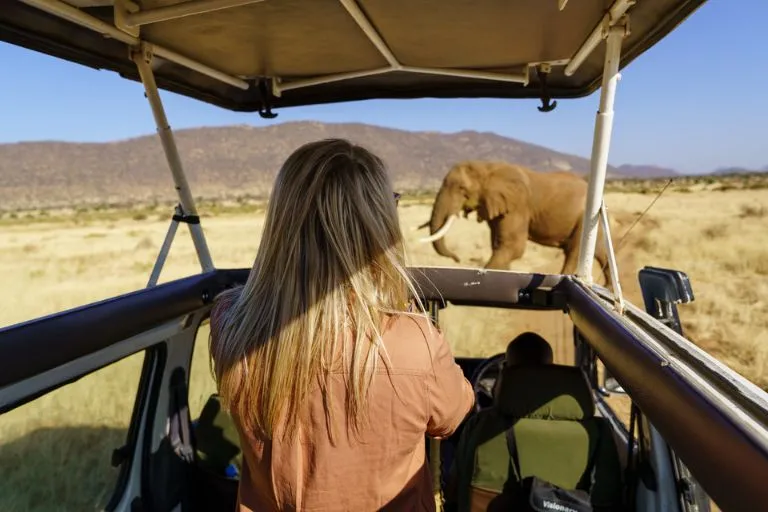
Need a specific language? Say so before you book, not after. Same goes for special interests, whether that’s birding, photography or anything else.
Worth putting to any operator, these questions to ask a Kenya Safari Guide:
- Will we have the same guide for the whole safari road?
- How well does the guide know our route?
- Can you arrange a guide who speaks our language?
- What vehicle will we be in?
- How many guests will share it?
- Does everyone get a window seat?
- What happens if the vehicle breaks down?
Then there’s the private-or-shared question.
| Booking Detail | Private Safari | Shared Safari |
| Travel companions | Just your own party | Other travellers join you |
| Daily pace | Often more flexible | Usually follows a group schedule |
| Vehicle | Reserved for you, if agreed | Shared with other guests |
| Departure | Based on your confirmed plans | May run on fixed dates |
| Group size | Set by your booking | Ask for the maximum number |
A Private Safari suits people who want to decide when to linger and when to move on. A shared safari is cheaper in some ways because guests split vehicle and guiding costs.
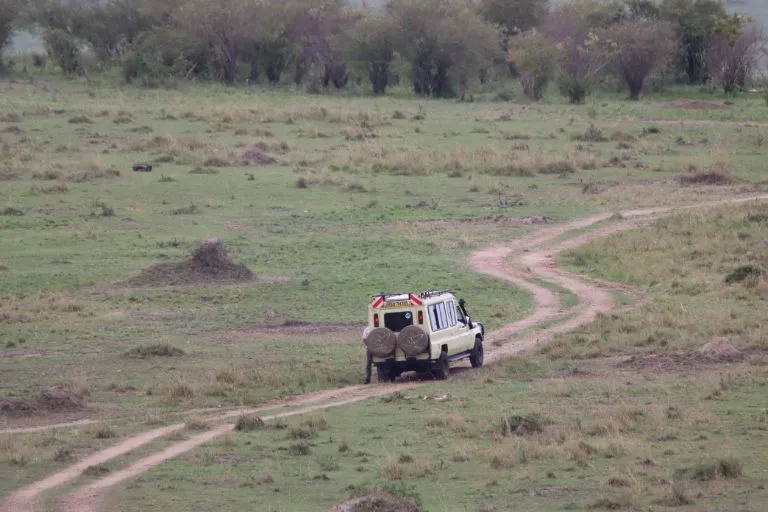
Some Kenyan roads are rough. Properly rough, especially in certain seasons. Ask why the vehicle they’re proposing makes sense for your route and travel dates.
Practical insight: Ask for a recent photo of the vehicle and written confirmation of the seating. On a private trip, double-check whether any transfers, flights or activities will still be shared with others.
What Should We Check Before Paying a Deposit?
Read the booking terms before you send any money. You need to know what actually secures your booking, and what happens if plans change.
Get clear answers to these:
- Can you share your business and tourism licence details?
- How much is the deposit?
- When’s the balance due?
- What payment methods do you take?
- What are the cancellation and refund rules?
- Can we move our travel dates?
- Are there fees for changing the booking?
- What happens if you have to cancel a service?
Cancellation terms aren’t always the same across the board. Lodges, flights and activities may each have their own rules, and those rules usually get stricter as departure gets closer. Ask exactly what’s refundable, and when.
What if your chosen lodge falls through? Find out whether the operator will talk the replacement through with you, and how it compares on location and facilities. Recent independent reviews are worth a look too. Skip past the star ratings and read what people say about communication, guiding, transport and, most telling of all, how problems got sorted out.
Practical insight: Check that the name on the payment details matches the operator’s official invoice. If it doesn’t, ask why. Keep your receipt and the written confirmation somewhere safe.
Does Safari Suit Our Dates, Interests, and Personal Needs?
A big part of Kenya Safari Planning is simply telling the operator what you care about. it’s an easygoing first safari. Maybe it’s birds. Maybe you want to sit in a water hole for three hours with a long lens.
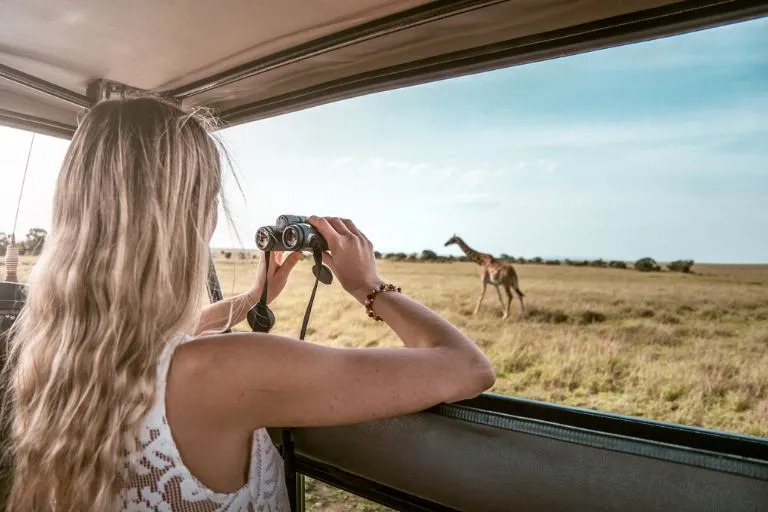
Share your priorities before you sign off on a route, then ask why the suggested places fit your dates and interests.
A few questions worth asking:
- What weather should we expect?
- Could it affect the roads or any activities?
- Which animals are usually seen in these areas?
- Are our wildlife hopes realistic?
- What’s the plan if an activity can’t go ahead?
Nobody can guarantee a sighting. Animals go where they please, and every day out there is different. What you want is an honest sense of what the itinerary is likely to deliver. Personal needs matter just as much. Families should look at room layouts, mealtimes, age limits on activities, and how long drives will be handled with kids on board.
If anyone in your group has access needs, get specific: vehicle steps, stairs, bathroom setup, walking distances. Being told a camp is “suitable” doesn’t tell you much. For food, be clear about whether it’s a preference, an intolerance or an allergy. Then ask how that information gets passed to every lodge on the route.
Practical Insight: Send a short-written list of your interests and needs, and ask the operator to confirm in writing what they can arrange before you book.
What Support and Preparation Will We Need Before Travelling?
Your Kenya Safari Booking Checklist should cover arrival, documents, insurance and emergency contacts.
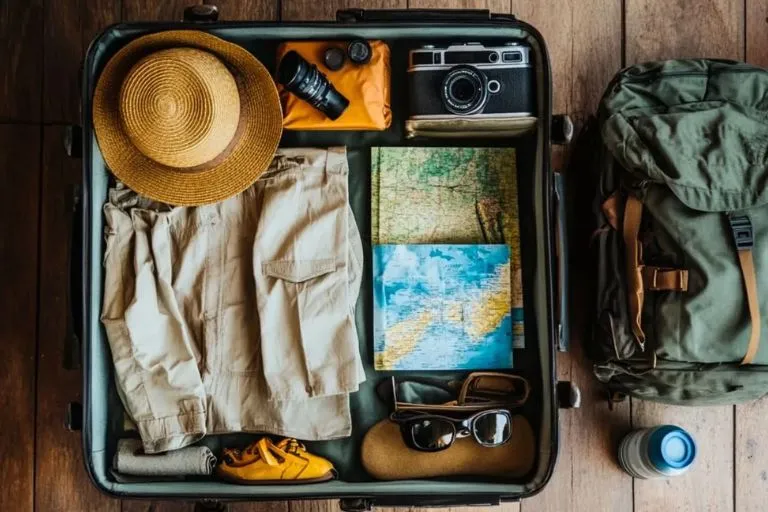
Start with the airport. Who’s meeting you, where will they be waiting, and how will you spot them? What should you do if your flight’s late, or your phone won’t connect when you land?
Also ask:
- Who do we call outside office hours?
- What if we miss a transfer?
- How do you handle a medical emergency?
- What are the luggage limits on our transport?
- What clothes and gear should we pack?
- Are there any activities we should know about?
If you’ve got a domestic flight in the itinerary, check the baggage allowance for that particular service. Small planes can be fussy about bag size, weight and even whether it’s a soft or hard case. Talk to your insurer about cover. Tell them what’s on the itinerary and make sure the policy actually covers it. For passport and entry rules, go to official sources. For health questions, see a qualified travel health professional.
Practical insight: Save your itinerary, insurance details, book confirmation and emergency numbers offline, and keep a second copy somewhere other than your phone.
Plan Your Kenya Safari with Clear Answers
Asking the right questions means you’ll understand the price, the pace, where you’re staying and what support you’ll have. Take your time with the answers and keep written copies of everything you agree.
Planning with Award Tours and Safaris, Send the team your budget, dates, interests and any personal needs, and ask them to explain anything in the package that isn’t clear. Browse their Kenya Safaris or talk through an itinerary before you decide. The clearer the plan, the more you can relax once you’re out there.