Kenya is thrilling, but your trip shouldn’t harm the land or its people. The best Kenya Safari Tours support what you’ll visit, they shouldn’t cost the land and communities more than they gain. This guide lists the top Kenya eco-lodges that genuinely care. You’ll learn to spot true eco-action over simple green branding. Furthermore, you’ll choose stays that back conservation and local jobs without losing comfort.
Key Takeaways
When planning your Kenya safari Trip it is best to be aware of these facts:
- Learn what an “eco lodge” must practically mean in Kenya.
- Explore six standout lodges across Laikipia, Chyulu Hills, Amboseli, Samburu, North Kenya, and Diani.
- See how community ownership and conservation funding work on the ground.
- Get tips to avoid greenwashing when booking Kenya safari packages.
Eco-Friendly Should Be More Than a Label
Don’t trust the “eco” word alone. Real sustainability in Kenya shows up in clear actions. Therefore, you should observe the following when researching what Kenya Tourist Attractions you’d love to visit:
- Energy: Must use renewable energy use; solar is the base.
- Water: Smart water sourcing and water-saving habits are essential.
- Waste approach: Strong waste approach means cutting plastic and good recycling.
- Community: Look for community ownership or clear, active local support.
- Funding: Prove clear conservation funding for things like anti-poaching work.
- Jobs: Choose the ones that should offer fair jobs, train their staff and hire locally people.
Award Tours and Safaris Tip: How We Check Lodges:

We check licenses, verified local links and proof of conservation spending. Additionally, we go through feedbacks from ethical travelers visiting Wildlife Destinations East Africa. This helps us to choose the best eco-lodges for our clients.
Safari Days, Conservancy Days, and Coast Days
Choosing where you’ll stay helps to enhance your Safari In Kenya experience. Eco-lodges often sit in private lands, offering quieter wildlife viewing than busy Kenya National Parks. Below, we have explained where these lodges fit in a Kenya trip below.
- Laikipia / Northern Kenya: Known for conservancies and quiet tracking of rare species.
- Amboseli region: Gives you classic views of elephants near Mt. Kilimanjaro.
- Samburu region: Good for unique species and deep cultural learning.
- Diani: The perfect beach spot for resting after intense safari drives.
Travelers often combine these areas with Kenya national parks. To move from one area to another they:
- Use short flights. Flying in saves time. It is suitable for travelers who have limited time.
- Choose road travel that’ll offer wildlife sightings on the way.
The time for each transfers will differ depending on the distance from the starting point to the destination.
Top Ecotourism and Sustainable Tourism Lodges in Kenya
This Kenya Travel Guide shows six lodges that prove their commitment through real action.
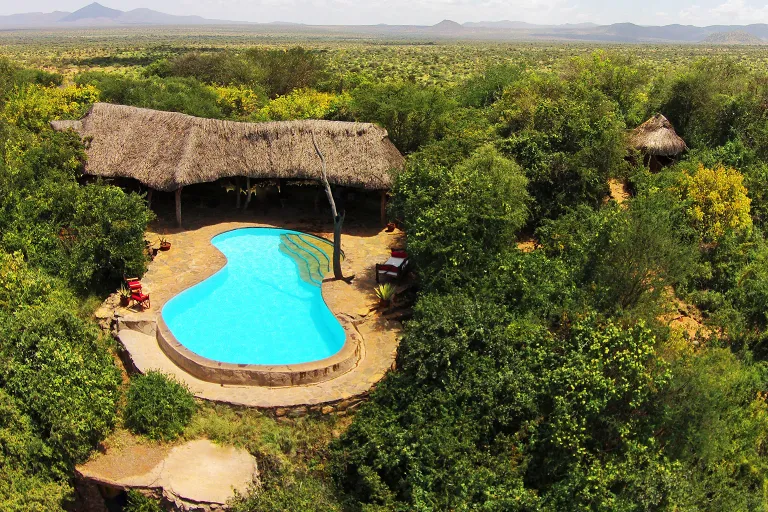
Lodge 1- El Karama Eco Lodge – Laikipia
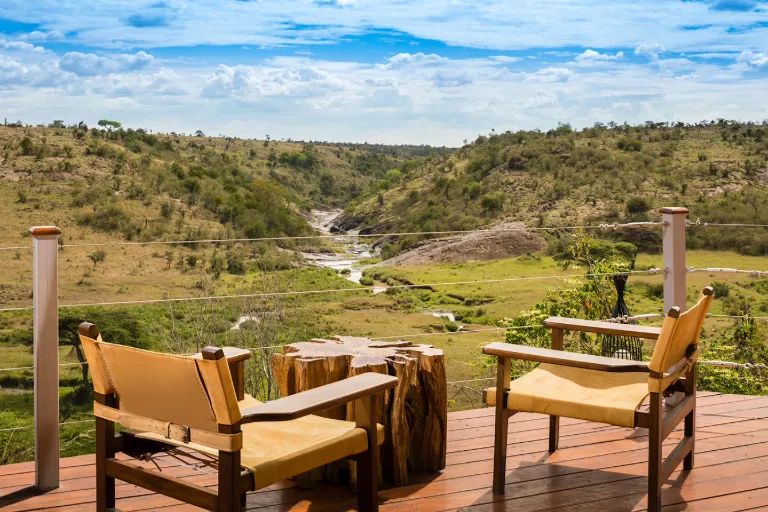
It is found on a private ranch within the Laikipia plateau. El Karama is a family-run sanctuary that embodies low impact living.
Why go: Uses locally sourced materials and solar power. Food often comes from organic garden food. They’re focused on low-impact walks and drives.
Best for: Bush walks, local food, minimal impact driving.
Time needed: 2 nights.
2026 planning note: Offers great wildlife sightings year-round.
Responsible travel tip: They’re built using materials gathered with care.
Lodge 2 – Campi ya Kanzi – Chyulu Hills
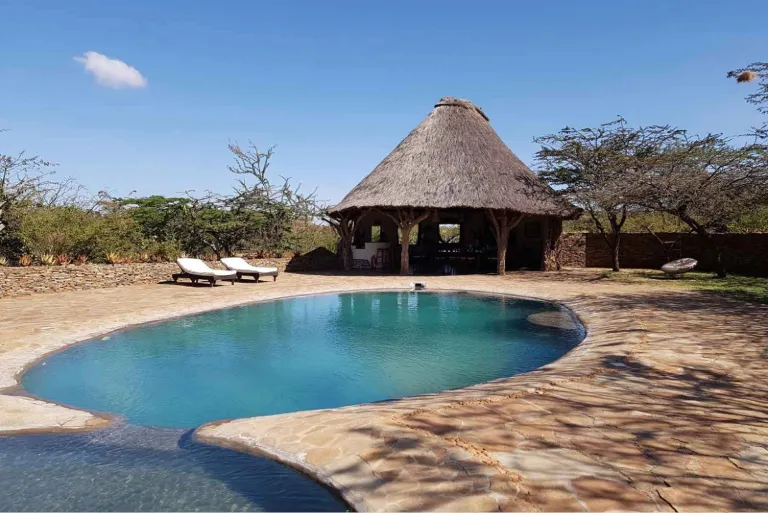
It’s owned and operated by the local Maasai community. This helps to ensure that the tourism revenue funds conservation and the community well-being. Additionally, they’re powered by solar power and save water carefully.
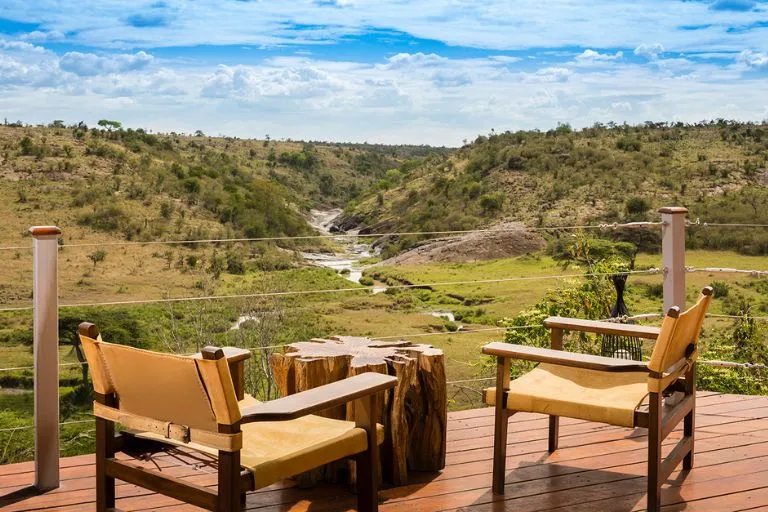
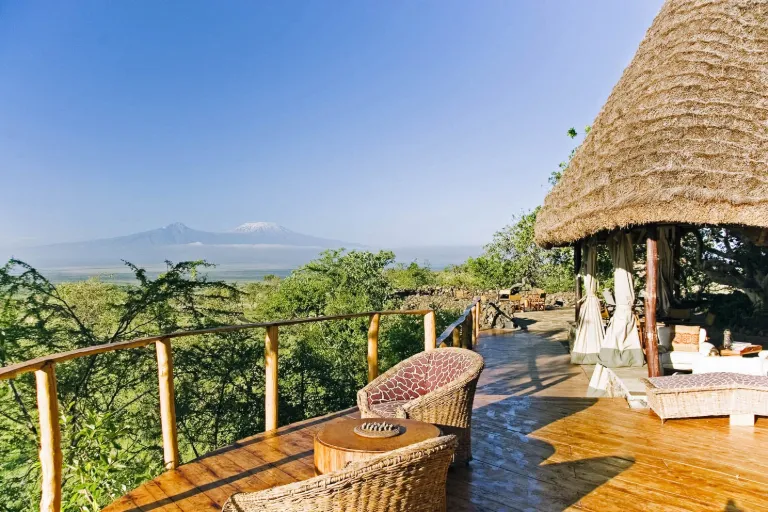
Why go: Your stay will fund local health and wildlife protection. You can get Kilimanjaro views while staying in this camp
Best for: Direct community profit, amazing mountain views, strong conservation link.
Time needed: 3 nights.
2026 planning note: Excellent model for community-led tourism.Responsible travel tip: They’re leaders in responsible water sourcing for the area.
Lodge 3 – Ol Donyo Lodge – Amboseli Region
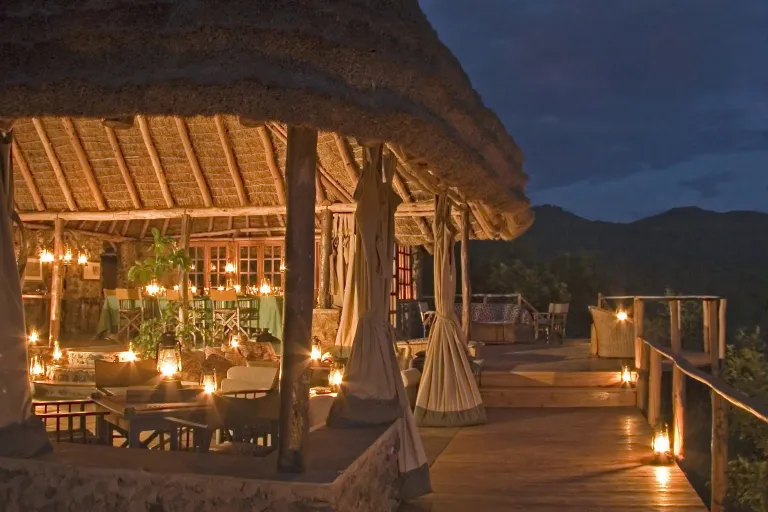
Located in a wildlife corridor within the Chyulu Hills. Oldonyo lodge is as much a conservation outpost as a luxury retreat. They’re strongly linked to anti-poaching support across the region.
Why go:. You’ll get a chance to sleep outside on rooftop star beds.
Best for: Direct funding for guards, unique sleeping, big protection impact.
Time needed: 2 nights.
2026 planning note: Book the rooftop star beds far ahead of time.
Responsible travel tip: Ask how your fees help fund the rangers on the ground.
Lodge 4 – Saruni Samburu – Samburu National Reserve (Kalama Conservancy)
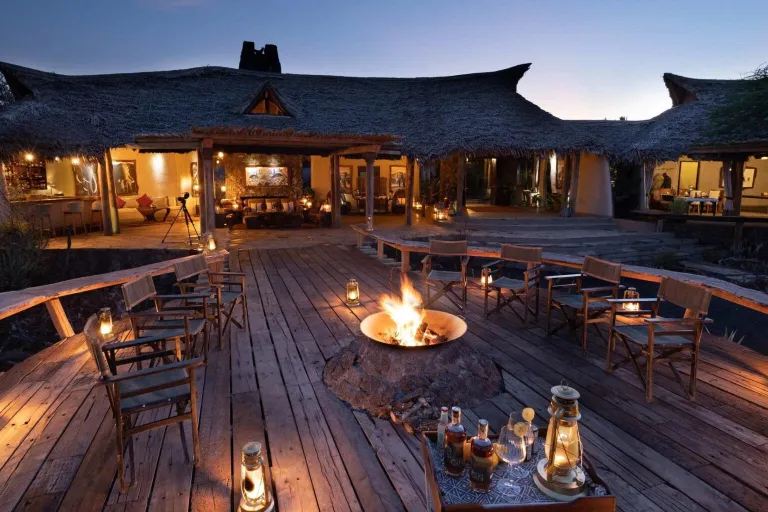
Saruni Samburu is situated within the Kalama conservancy. The lodge’s design centers on sustainability built into design.
Why go: It offers panoramic views to the unique wildlife in Northern Kenya. Plus, it’s a place for honest cultural interaction with Samburu people.
Best for: Rare animals, great views, respectful cultural trips.
Time needed: 3 nights.
2026 planning note: Best place to see northern Kenya wildlife.
Responsible travel tip: Cultural visits are always arranged by local elders.
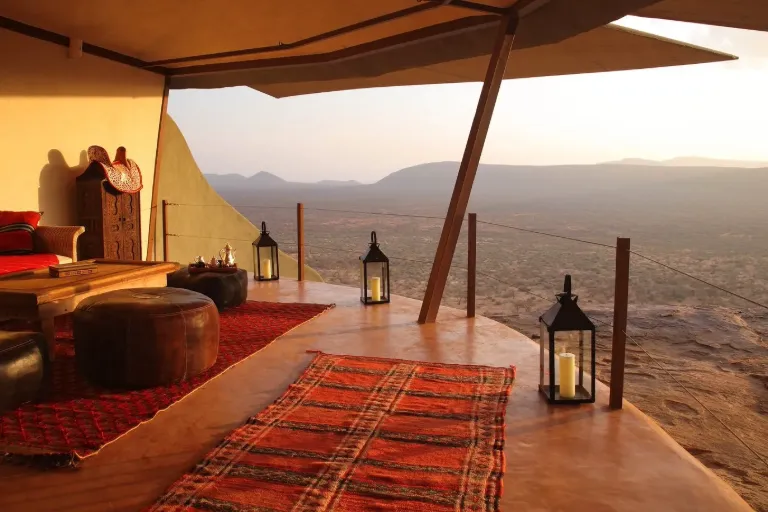
Lodge 5 – Il Ngwesi Lodge – Northern Kenya
This entire lodge is community-owned, which is very important. They’re built with open, open-air bandas that blend in.
Why go: Their mission supports local action and the protection of rhinos.
Best for: True local control, supporting local projects, black rhino defense.
Time needed: 2 nights.
2026 planning note: It’s remote; plan your flights up north with care.
Responsible travel tip: All staff members are from the local Il Ngwesi community.
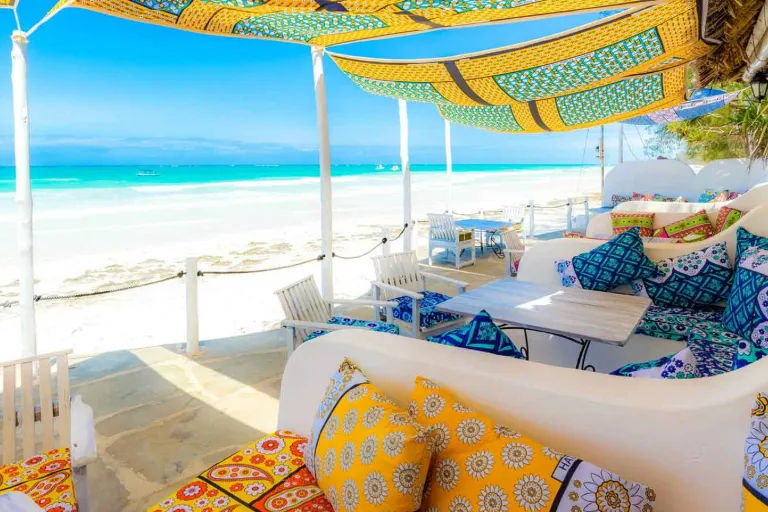
Lodge 6 – The Sands at Nomad – Diani Beach
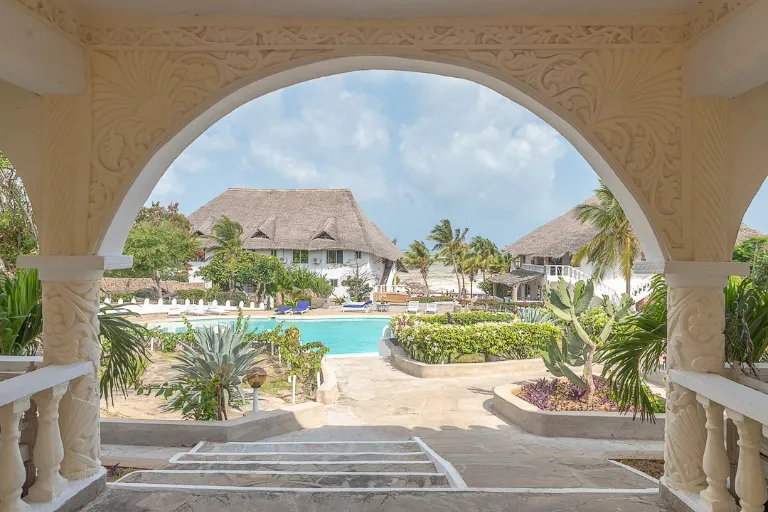
This lodge offers an an eco-friendly beach stay angle that respects the sensitive ocean shore. It demonstrates that sustainability extends to the coast through conservation and ethical sourcing.
Why go: It’s the perfect coastal rest spot after dusty safari drives. More to that you’ll get to see the protected turtle nestle sites.
Best for: Beach relaxation, ocean sports, checking ethical seafood sourcing.
Time needed: 2 nights minimum.
2026 planning note: It’s wise to book beachfront rooms early.
Responsible Travel Tip: They’re firm on protecting local turtle nesting spots.If sustainable stays matter to you, Award Tours and Safaris will help you to plan the whole trip around them—where you’ll sleep, who you’ll travel with, and how those fees help people and conservation.
A Simple Way to Tell What’s Real
Many lodges claim they’re green, but you’ll need facts. Real sustainability means they’re can show proof. You’ve got to ask hard questions to see past the marketing words.
Ask these key things:
- Where does your power come from?
- How do you’re clean your wastewater?
- Who owns the lodge locally?
- What community fees are paid directly to the area?
- What specific project does your fee support this year?
Weak answers sound vague. If they’re can’t name partners or show action, it’s likely just branding.
Small Choices That Matter on a Kenya Safari Trip
Your daily actions help keep these lodges truly sustainable. You’ll support the system by acting mindfully during your Kenya Safari Trips.
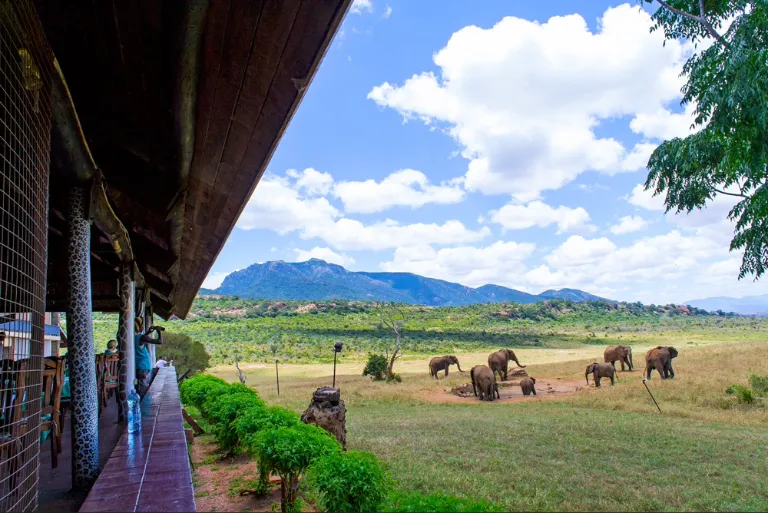
- Keep distance from wildlife; don’t pressure guides for close shots.
- Support community craft buying directly when you’re in a dedicated spot.
- Respect photography boundaries for people and for private animal moments.
- Reduce plastic bottle use; use the refill stations they’re provide.
- Follow camp rules on saving water and sorting your waste.
- Tip fairly based on the local guidelines the lodge manager gives you.
Travel with Purpose, Leave a Positive Legacy
Choosing the right eco-lodge is one of the most significant decisions you can make for a Responsible Kenya Safari. Selecting accommodations that prove their commitment with action, you ensure that your trip contributes to long-term conservation. Kenya’s best eco lodges don’t just lower harm—they’re actively helping protect wildlife, keeping jobs local, and making your travel feel more honest and grounded.
Plan Kenya Safari Trips with Award Tours and Safaris – Choose Lodges That Support Conservation and Communities.