
Kenya is Africa’s top safari spot. But in 2026, how you travel matters as much as where you go. Your Kenya Safari choices are what’ll shape this land’s future. They decide whether tourism will protect Kenya’s wilderness or degrade it. It’ll also decide if you’ll empower local people or displace them.
This Kenya Travel Guide has kept it simple. Specifically, it explains what Sustainable Safaris Kenya means. As a result, you’ll learn how to plan responsibly in 2026. You will also see how to protect wildlife and support local groups while still having an amazing trip.
Key Takeaways
Plan your Kenya Safari Tours by knowing these main facts:
- Understand what a sustainable Safari in Kenya really is.
- Learn how ethical operators truly help wildlife and communities.
- Know about Kenya Destinations that already use responsible travel methods.
- Know what to check before you book your safari in 2026.
Sustainability in Kenya Is About Everything
A good Kenya safari is not just about seeing animals. In fact, Sustainable Safari Kenya looks wider than animal sightings. Essentially, it means balancing tourism with the land’s long-term health and the success of the local people.

Simply, your Kenya Safari Tours money must benefit everyone. For instance, when you visit Kenya National Parks, your fees fund park or conservancies patrols and maintenance. Furthermore, Sustainable Safari Kenya ensures that this money also reaches rural groups. Before choosing your tour operator check for the following:
- Do locals get good jobs?
- Is land being saved for animals, or is it being built on?
The Kenya Wildlife Service (KWS) sets the baseline rules for parks. Ethical tour groups must respect these rules deeply.
Healthy animals need stable local money. If local people see no benefit in saving land for wildlife, conservation efforts quickly fail. Sustainable Safari Kenya must be teamwork between parks, guides, and villagers.
Clearly, this shows that the land, the economy, and the people are all linked up. Thus, choosing a solid partner for your Kenya Safari should be your first, most important step.
Why and Who You Book with Is Very Important
The company you choose runs almost every part of your Safari In Kenya. Therefore, their moral choices affect your travel impact heavily. However, not every licensed company acts ethically.
The Kenya Safari Packages of different operators, will help you know the differences.

- Some are just licensed safari operators meeting basic law needs.
- Others are Community-partnered companies that promise to boost local groups through jobs or profit sharing.
- Most importantly, be careful of short-term or unregulated operators. These groups often cut costs by skipping rules. This means low pay for staff or unsafe tour practices.
Fundamentally, ethics need structure. In other words, sustainability cannot exist without professional operations, structured teams, and accountability. For example, staff must get fair guide and staff wages, enough money to live well.
Additionally, proper tax contributions fund national needs like roads. Local employment keeps money inside Kenya. Most importantly, ethical Kenya Tour Operators give clear conservation funding so wildlife on private lands is protected.
The Tourism Regulatory Authority sets the licensing standards. The best operators go beyond that.
“When a company trains local guides well and helps a local clinic, that is real partnership. The guest sees a better, happier Kenya Wildlife Safari.”
Therefore, choosing operators who care this much help you find the Best Safaris In Kenya and supports Sustainable Safari Kenya.
Where Responsible Safaris Work Best in Kenya
For an honest Kenya trip, choose destinations that focus on good management. Fortunately, certain spots in Kenya have built their tourism around proven conservation wins, making them great for ethical travelers.
First, seek out areas with conservancy-based wildlife protection. Conservancies are often large private lands next to the big parks. Here, your fees directly fund keeping these wildlife travel paths open. This stops large animals from losing their space.
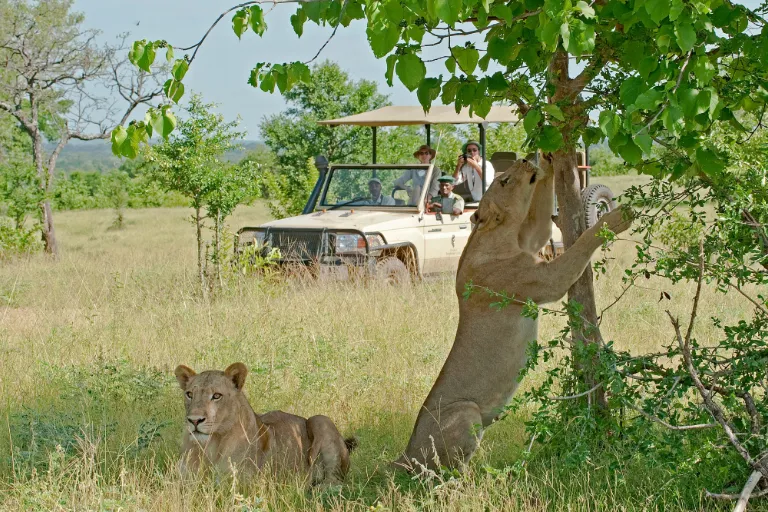
Also, look for community-run tourism models. Here, the local group owns and runs the camp or tours. This ensures far more profit stays local, encouraging people to protect wildlife for cash flow.
Many skip the benefit of low-density safari zones. The reason is that busy parks stress the animals. In contrast, quiet areas give you a more real Wildlife Safari In Kenya experience with less impact on the land.
Ultimately, when money flows correctly, it fuels protection. Some conservancy fees fund local school needs for the children of staff. Other funds might pay vets for rhino care or fund land protection deals with local farmers.
Focusing your trip on these good places means you help keep the dream alive for Kenya Big Five Safari viewing across East Africa Destinations. In short, these places ensure the Best Safaris In Kenya are also the kindest ones.
How Your Safari Choices Affect Kenya’s Wildlife
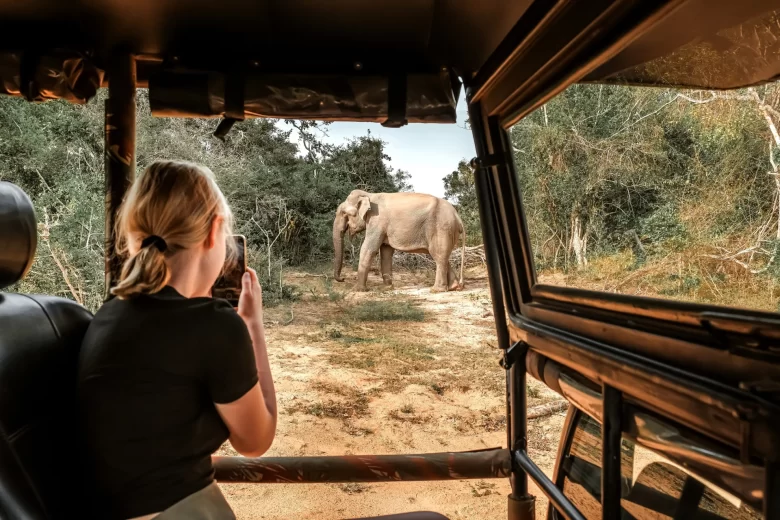
When making Safari choices, make sure you prioritize wildlife protection. This is because unsustainable tourism damages habitats and disrupts animals. Therefor,e responsible Safaris should follow strict guidelines like vehicle limits, viewing distances and off-road restrictions. This helps to minimize stressing the wildlife.

To clarify, sustainable safaris don’t happen by chance. They are planned carefully, guided responsibly, and rooted in respect for Kenya’s land and people.
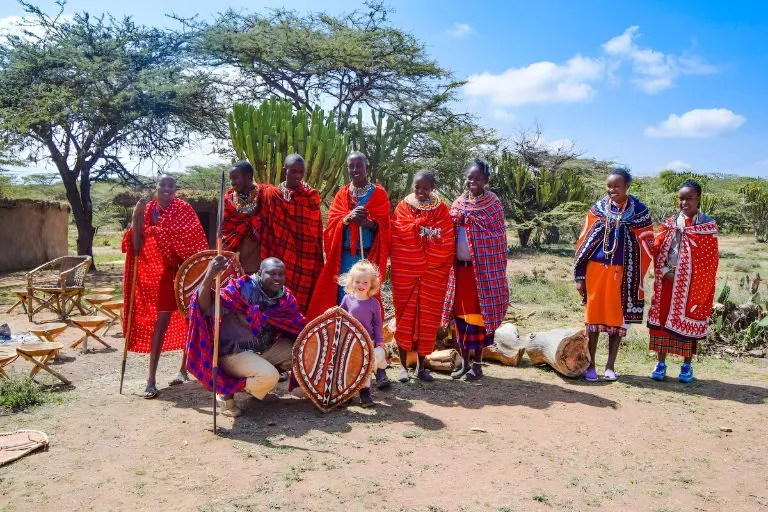
When Safari Tourism Directly Supports Kenyan Communities
A good Kenya Safari puts money benefits right into the local society’s daily life. Its not only about seeing the Kenya Tourist Attractions. It invests in local structures.

- Primarily, the best aid from tourism meets basic needs. For example, see if operators support education initiatives. This could mean funding scholarships for village kids or helping build new classrooms.
- Furthermore, responsible travel also helps healthcare access. It might fund a small clinic to reach faraway areas.
- Additionally, Sustainable Safari Kenya supports women-led enterprises, like craft groups. As a result, this allows them to earn an income to support their families.
However, it is vital to spot the difference between real help and a quick show. Typically,a real visit is when the community leads the event and earns good money. A surface visit can feel fake; just a quick trade for tips. On the other hand real cultural learning helps families on their Kenya Wildlife Safari see culture directly from the hosts.
Therefore, when booking Kenya Safari Tours, try to buy crafts straight from the makers. Choose guides and cooks hired from the area near the park. These small acts ensure tourism money flows straight to the neighbors around Kenya National Parks. This quick link between tourism cash and community success is the main power of strong Sustainable Safari Kenya plans.
What to Look for in Eco-Conscious Safari Camps
Your sleeping place matters almost as much as your travel route. The needed buildings for comfort, especially for Family Safari Kenya, can use up local water and power quickly. Good camps actively fight this bad effect.
When checking Kenya Safari Packages, look for clear signs of eco-care. First, check for big investments in solar power to cut down on loud generators. Also crucial is water conservation. Since water is often in short supply, good camps reuse used water for gardens and install water-saving taps everywhere. Good waste handling is a must. Look for camps that stop using single-use plastics and safely remove all trash that cannot rot away.
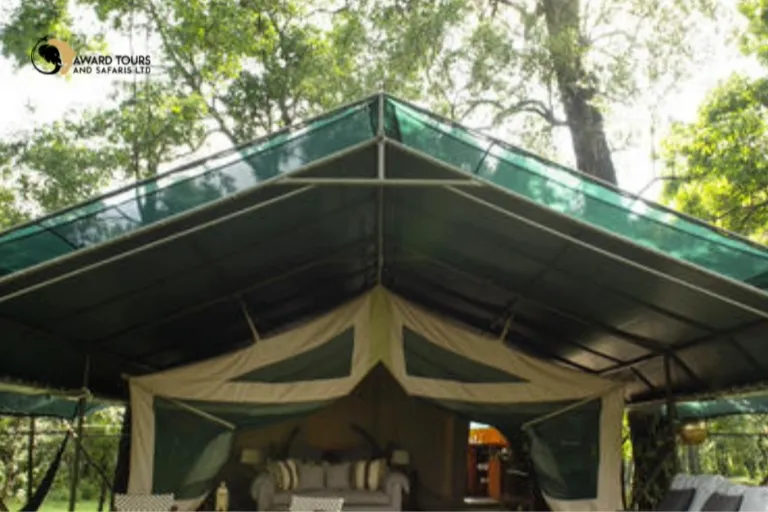
Also, check their buying habits. A green camp shows commitment by using locally sourced materials and food. A very good sign is the employment of nearby communities for all roles, from fixing things up to running the entire place.
Being green does not mean sacrificing comfort. Top sustainable lodges mix classic safari charm with smart, green building. You should expect good beds and great meals while knowing you made a small mark on the footprint. By choosing lodges that show their green reports, you make sure your stay keeps the Best Safaris In Kenya possible.
Smart Planning Tips for Kenya Safari Travel in 2026
As you prepare for your Kenyan adventure in 2026, Award Tours and Safaris prepared the following tips to help you:
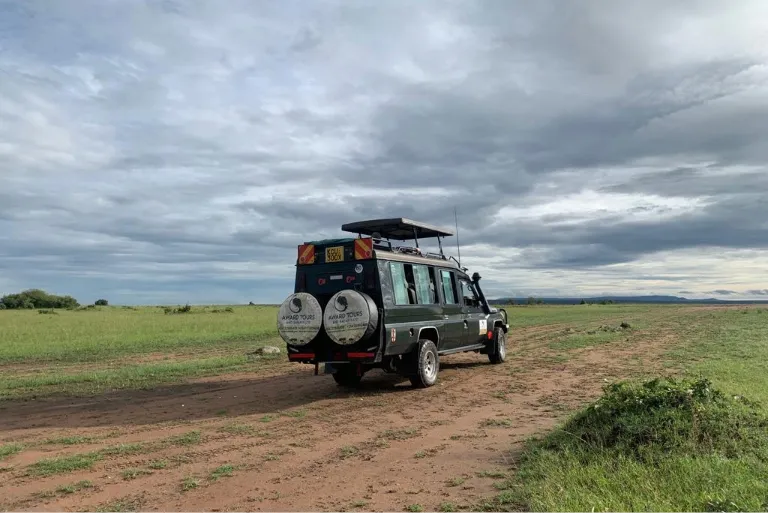
- Planning well for 2026 lets you travel better and often gives you a better trip. Knowing when most people travel helps you avoid crowded times, cutting stress on wildlife and land.
- Managing visitor pressure management is key. The busiest times have good weather, but also mean more vehicles looking at the same lion. If you book right before or right after the main rush, you get nearly the same Kenya Wildlife Safari quality with fewer crowds.
- You must also include climate awareness in your plan. Weather rules are changing now. Always ask your operator about the current situation at your chosen Kenya Tourist Attractions. They can advise on the best time to see the migration or suggest areas handling recent rain well.
- Also, watch for new responsible travel trends. Are groups using buses more than small plane hops between parks? Are they open about lowering their carbon impact?
Your Purposeful Path
The goal for Sustainable Safari Kenya is to find the right balance. You want amazing trips, like your Kenya Big Five Safari, but with the smallest possible mark on nature. This often means choosing trips that use fewer internal flights. Focus deeply on one or two areas instead of trying to see everything quickly. By planning smart for 2026, you become a responsible traveller.
A sustainable safari in Kenya is not about doing less; it’s about traveling smarter, respecting wildlife, and ensuring tourism continues to protect what makes Kenya extraordinary.