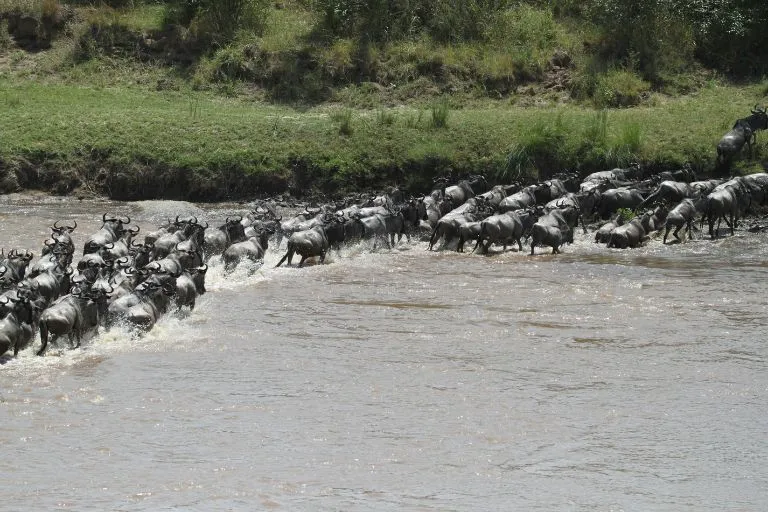
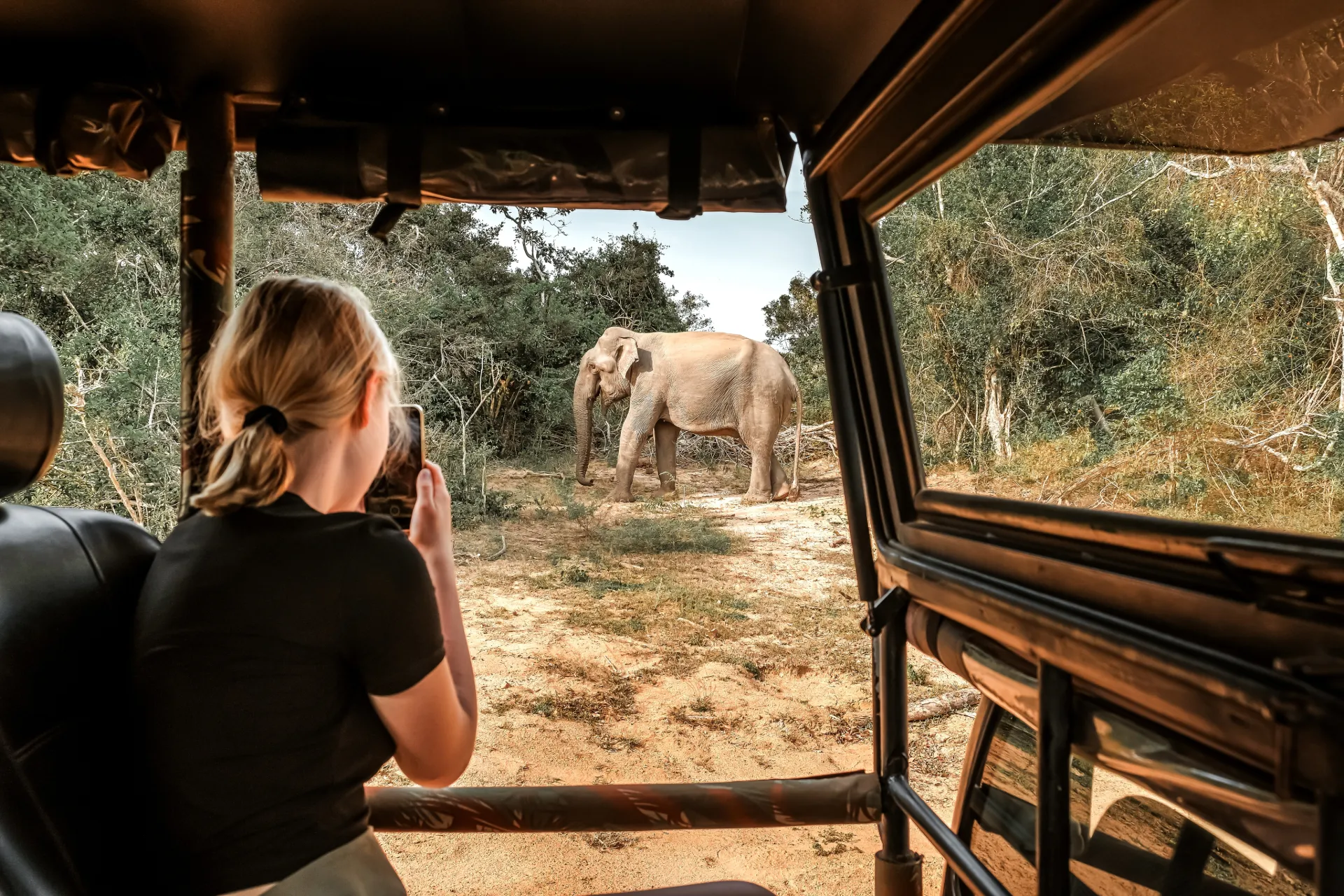
First-time Safaris In Kenya bring up big questions. How do the days run? What will you see? What must you pack? You want to avoid mistakes that spoil the fun.
This guide makes planning your Kenya Safari easy and clear for first-time travelers. We’ll cover wildlife views, the daily rhythm, top spots, seasons, health needs, packing and travel basics. You’ll feel ready from start to finish.
Key Takeaways
To prepare for your Kenya Safari Tours, focus on these four things:
- Know how safari days usually flow in the camp.
- Learn which Kenya spots are great for new travelers.
- Pick the best travel time based on what interests you most.
- Understand key health and safety steps to take.
Game Drives, Camp Rhythm, and What First-Timers Notice
A real safari in Kenya isn’t a rush. Wildlife moves when it wants to, so you’ll need patience. Game drives usually last several hours, starting very early. Mornings matter most because animals are most active when it’s cool outside.
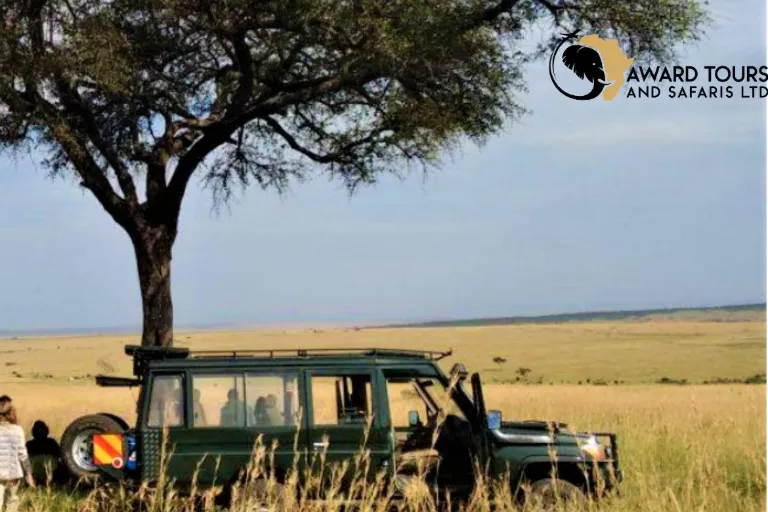
When a sighting happens, guides communicate with radio in low voices so that the scene is not disturbed. Additionally, be ready, wildlife sightings can attract multiple vehicles. Here’s what to expect:
- You may meet crowds around the sighting.
- Camp comfort will change based on style; some spots are simple, while others are quite grand.
- Evenings are calm, social, and unhurried. You’ll have time to relax after dark.
You should know that, Responsible tourism means respecting wildlife rules set by the Kenya Wildlife Service. Award Tours and Safaris guide noted, “When we watch an animal, we read its mood. If it seems stressed by us, we pull back. Respecting distance is key.” Patience lets you enjoy moments without needing a picture every second.
Where First Kenya Safaris Work Best
For your first Kenya safari, picking the right place cuts down on travel stress. Some areas give better animal views or easier travel right away. Here’s where first-timers should look:
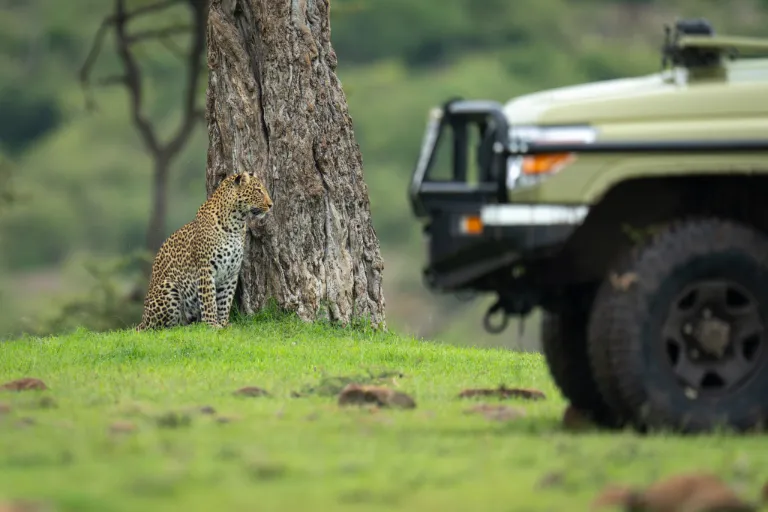
- Masai Mara: It’s the classic savannah view. Great for seeing big cats and possibly the migration.
- Private conservancies near the Mara: They have fewer vehicles means quieter drives. You might get walks too.
- Ol Pejeta Conservancy: Excellent for strong rhino conservation focus and learning. · Nairobi stopover: Useful for beating jet lag or making flight changes smooth.
For newcomers, focus on wildlife density and travel between spots that aren’t far from each other.
Choosing the Right Season Based on What You Want to Experience
When you’ll travel changes what you see and how busy things are. You’ll find good viewing nearly all year. These points help you decide the season you would want to visit Kenya:
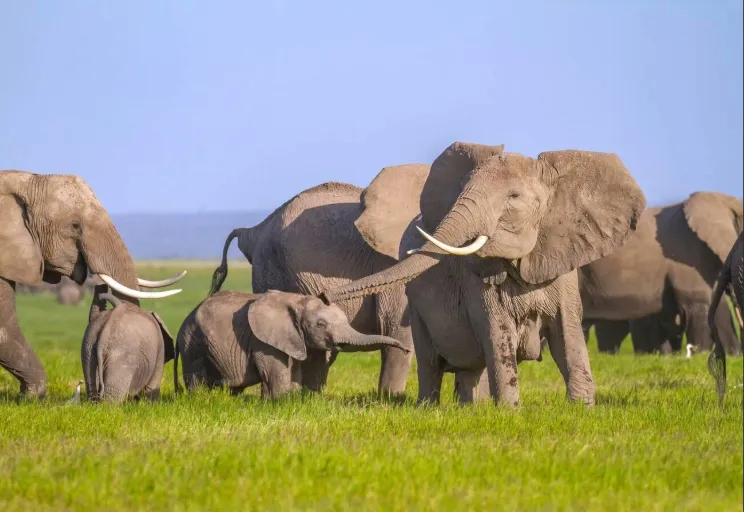
- Jan–Mar: This season is warm, dry and great for general wildlife viewing. Crowds are moderate.
- Jul–Oct: These months are a peak migration season in Masai Mara. This is the busiest time of the year.
- Apr–May & Nov: There is greener lands which favor photography and fewer people Fewer
If you don’t like cold weather, early mornings drives, pick a time with milder weather. This makes travel days feel shorter and easier overall.
First safaris feel smooth when the plan is clear and paced well. Award Tours and Safaris helps travelers plan Kenya safaris that feel safe and thoughtfully designed.
Vaccines, Malaria, and Staying Safe on Safari
Health checks are vital before your Kenya Wildlife Safari. This guide points you to the right steps. Always check up-to-date official travel health guidance (like CDC or WHO advice).

Yellow fever rules depend on where else you travel from into Kenya. Malaria exists in many regions like the lowlands. You must consult a medical professional before your trip for the right protection. Xxxx has clear emergency procedures and trained staff ready to help if needed.
Safety steps are simple:
- Keep personal medication in original packaging.
- Use insect repellent, especially at dusk.
- Follow the guide instructions about wildlife and camp safety rules. They keep you safe.
- Trained guides follow strict rules about distance. They know how to handle wildlife safely.
By following these precautions, you ensure that your Kenya Safari trip is not only memorable but also safe.
Knowing What Your Safari Price Covers—and What It Doesn’t
Understanding your safari price is key to stress-free booking. Always ask for the written list of what’s included before you pay.
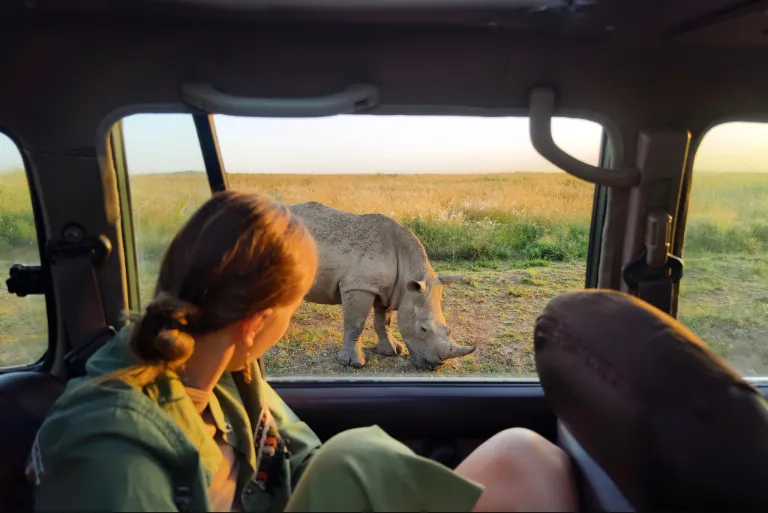
Typically included in your price:
- Your lodging and all main meals.
- Scheduled game drives.
- Park or conservancy usage fees (if listed).
- Simple transfers between camps and the small airstrips.
Common exclusions you must budget for:
- Your international flights to Kenya.
- Separate travel insurance.
- Premium drinks or special sodas.
- Tips and optional activities like hot air balloons.
Clarity on cost is essential for Kenya Safari Tours experience. Therefore, knowing it will allow you to plan your budget accurately and avoid surprises.
Flights, Road Transfers, and Managing Travel Days
Travel style affects your time and cost on a safari in Kenya. You mainly choose between planes or cars for park transfers.
Light aircraft flights save time. They fly between small airstrips near your camp, reducing long road journeys. Road transfers can be scenic but take longer. Be ready; baggage limits apply on small aircraft. You must use soft bags; big, hard suitcases often won’t fit.
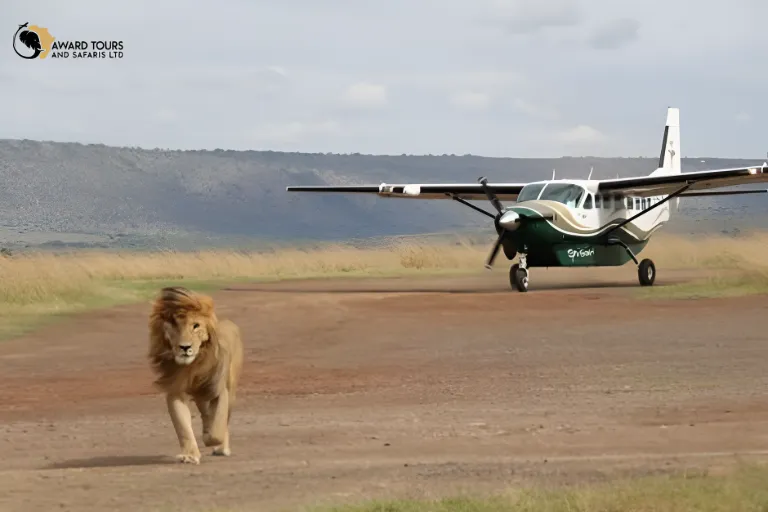
Practical tips:
- Keep your passport and phone in a small bag you keep close.
- Charge devices when electricity is available, as power might stop at remote camps.
- Also, try to avoid overloading itineraries with too many parks, as transfer days take up sightseeing time.
Planning your transport wisely is a key part of organizing a seamless Kenya Safari.
Packing Smart for Your First Kenya Safari
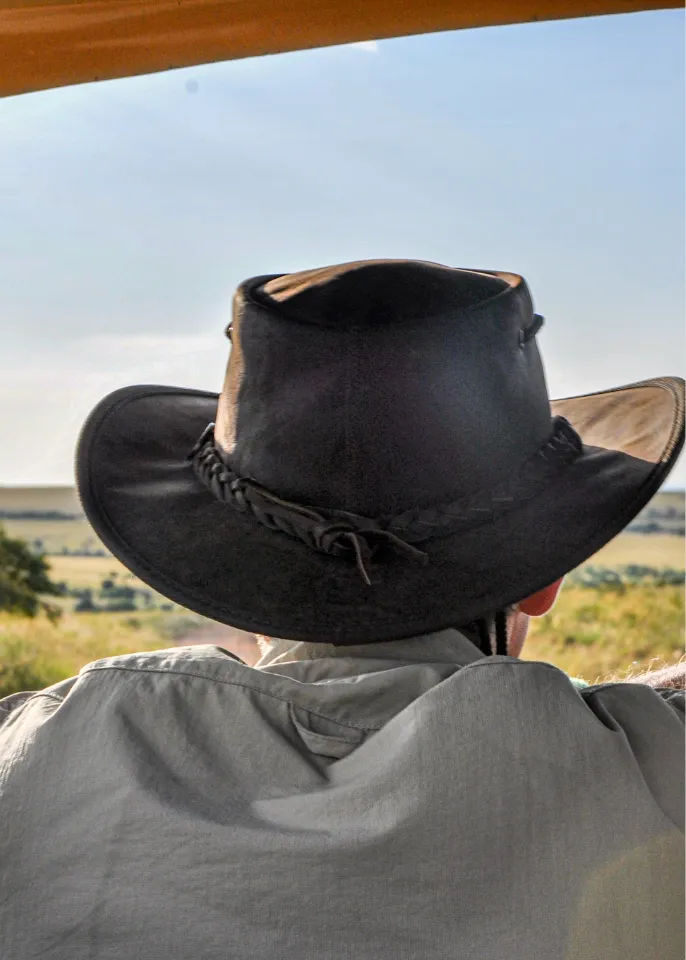
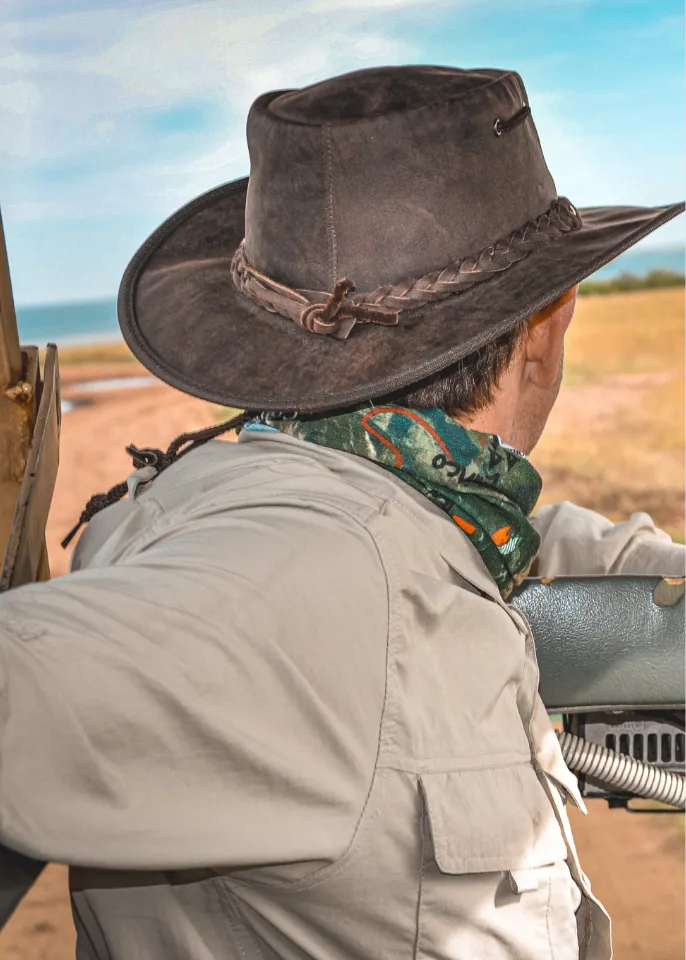
Pack layers! Days are hot, but early mornings are cool. You want clothes that help you blend into the environment. Avoid bright colors when planning your Safari in Kenya.
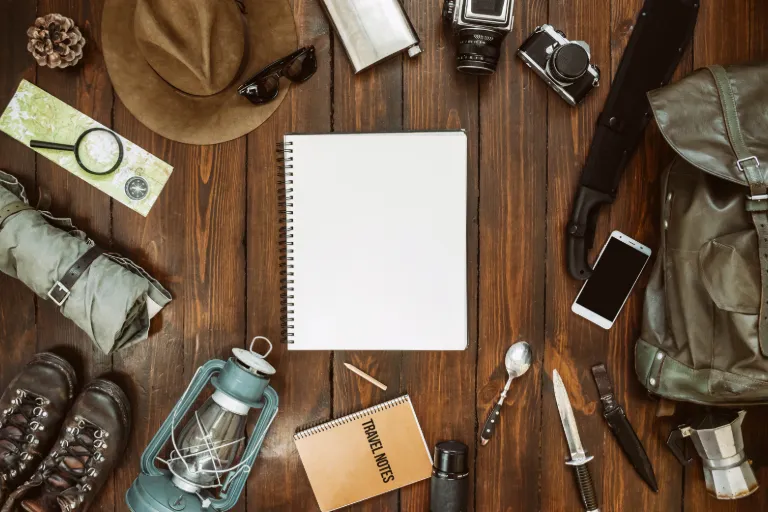
Essentials to be included in your Kenya Safari Packing List:
- Neutral-coloured, lightweight clothing.
- Warm layers for early mornings.
- Comfortable closed walking shoes.
- Hat, sunglasses, sunscreen.
- Essential binoculars and camera.
- Your personal medication and insect repellent.
- Passport, visa, travel insurance documents.
Practical tips
A small scarf and wet wipes are handy for dust. Most camps offer laundry service, so avoid overpacking, you won’t need as many outfits as you think.
Simple Habits That Improve the Safari Experience
Small habits will make your Kenya adventure much better. Focus on being present, not just on your camera screen.
- Always ask questions, guides love sharing their knowledge.
- Rest during the day to handle those very early starts.
- Keep voices low near wildlife so as not to bother them.
- Enjoy moments without chasing constant photos; just watch.
- Always follow park rules on distance and vehicle movement.
Ready For Your adventure?
A first Kenya Safari doesn’t need complex planning, it needs clear views, the right places, and a team that keeps every detail simple. If you understand the rhythms, choose wisely and prepare thoughtfully, you’re set for an unforgettable journey